


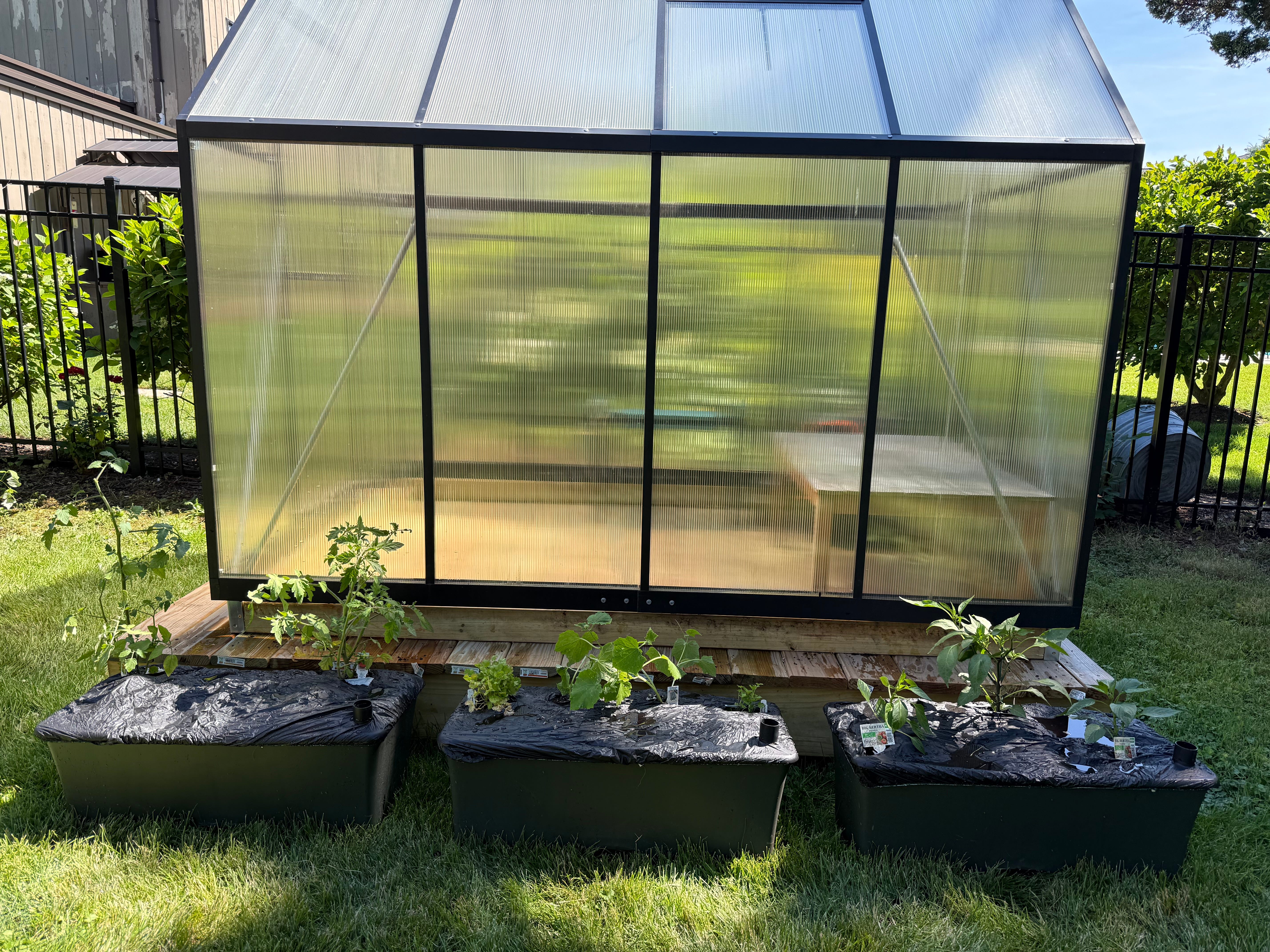
My sister’s birthday falls in June, and we spent the day together at her place gardening. We had perfect weather: sunny, slightly hot in the open, perfect under the shade. She said she needs to figure out how to make simple, healthy meals for herself every day; it’s the bane of her existence.
She’s not alone. I hear the same complaint from clients who run companies, raise children, and carry the invisible load of a household. Their busy day takes them to the point of sharp hunger, and at that point, they’re faced with suboptimal options. The decision has already been made for them by the clock, the delivery app, or whatever is closest and fastest.
This is external referral in action. The culture trains us to override our own knowing in favor of external authority. We borrow our meal times from our inbox and our hunger cues from our calendar. We outsource nourishment to convenience packaging and other people’s priorities until the body sends the invoice in the form of 3pm fog, evening bloat, and morning dread.
The fix is not another meal-prep automation. It’s not a gourmet recipe demanding advanced cooking skills. It’s a single warm, on-time, seated lunch. The minimum viable act of self-referral. Architecture over state. Not a reset. Rhythm.
I wrote this essay for my sister, and for every woman who’s productive but borrowed, functional but numb, grinding through someone else’s operating system while her own life waits in the someday folder.
Why lunch is the hinge
When the sun is at its high point, our digestion is strongest. Make this your largest meal.
Still, you want to make it easily digestible because you have an entire afternoon ahead of you. If you’re working with natural circadian rhythm, your deepest work is dedicated to your morning block, leading right up to lunch, so you can flow with the natural dip that happens in the afternoon.
For optimal brain function, close the loop on your work once it’s lunchtime and fully focus on the plate. By “lunchtime,” I don’t mean when it’s time to eat, but when it’s time to transition, prep, or order. At the end of it, close that loop too. Give yourself time to sit, breathe, digest and clear your space.
Lunch either props you up for the afternoon, or it tanks you. Your 3pm state is the direct receipt for your lunch.
Breakfast sets tone. Lunch sets trajectory. If you skip breakfast, understand that conceptually the first thing you put in your mouth is break-the-fast. It sets your nervous system tone the way meditating versus reading the news does. Choose warm. Choose light and gentle. Remember that your digestion is still rising like the sun.
Dinner is the wind-down. Done by 6pm, 7pm at the latest. This single boundary allows your body to wrap up digestion before bedtime, freeing your system to focus entirely on deep restoration and cellular cleanup while you sleep. And so you wake up feeling light and rested.
Modern society loves to start dinner around 7pm and make it the largest meal of the day: (1) We start with ice-cold water and bread, turning down our digestive furnace precisely when it should be turned up. (2) We make protein the largest portion on the plate, which takes longest to digest. (3) Then we stare at our screens until we collapse, waking up our melatonin production when it should be going to sleep.
That triple combo forces low-quality sleep and a morning that demands coffee and sugar just to function, drawing your body further into debt. Your metabolism, insulin sensitivity, and baseline mindset decline. Anxiety and frustration set in. And if you’re Pitta imbalanced, you look for external blame on everything.
What’s hands-down more delicious than whatever food you keep craving is feeling good in your own body.
The formula
Similar to the concept of the Sudoku packing method, where you take nine core garments to create twenty-seven outfit combos, you should be able to take a few ingredients and pair them together, sometimes leaving one out.
The baseline scaffold is this: Base + Greens + Protein
Your base is white basmati rice or oatmeal. White basmati is the cleanest and easiest grain for your system to break down. Brown rice is far harder to digest, which means your body overspends energy trying to unleash the nutrients inside it. Oatmeal (rolled, never instant) becomes a powerful savory anchor when cooked in bone broth instead of water.
Your greens are dark leafy vegetables. One bunch of greens is for one person. An entire bag of baby spinach looks like a lot, but they shrink to almost nothing when heated, so don’t be shy with your portions. You might wonder why we stick to bitter leafy greens instead of common table staples like carrots, broccoli, zucchini, bell peppers, or lettuce. While those are healthy foods, many of them are either too dense and starchy (like carrots), too rough and gas-producing for your digestive fire to break down at midday (like raw broccoli), or inflammatory nightshades (like peppers). Cold lettuce douses your digestive fire. Bitter leafy greens act as immediate, lightweight sweepers that clean your system without demanding heavy processing energy. Which is what we’re going for. And, they’re fastest to prep.
Your protein rotates between wild fish, clean tofu, white beans, or the complete protein of split yellow mung beans cooked with rice (kitchari). Notice that we specify white beans or split mung beans here, rather than heavy dark ones like kidney beans or big green ones like lima beans. Thick-skinned, dark, or dense beans are packed with complex starches that easily cause gas, bloating, and fermentation if your digestive fire isn’t running perfectly hot. White beans and split yellow mung dal (beans) are highly bio-available and easily dismantled by your system, giving you clean protein without an afternoon digestive tax.
Here’s what the rotation looks like in practice
Kitchari with seasonal vegetables cooked directly into the pot.
Rice cooked with wakame + fish (the fastest: clean canned tuna or mackerel) + greens and/or kimchi.
Greens + organic tofu (cubed or cut into rectangles and pan seared with a light wipe of toasted sesame oil).
Savory oatmeal cooked in chicken bone broth with fresh cracked black pepper + spinach.
Grilled fish + greens.
Japanese miso soup or Korean doenjang guk with rice + wakame or nori + kimchi.
The techniques
Play with spices for variety. But really, just sea salt, black pepper, and garlic are all you need to do the job well when you’re feeling zero creativity to do more. Simple is super.
Eat your greens first. The fiber and dense nutrients prime your metabolic pathway before you touch the carbs or protein, which naturally reduces insulin spikes.
Master the one-pot layout. One-pot meals keep your cognitive load low and cleanup minimal. You can add cold ingredients (like kimchi or yesterday’s seared tuna slices) directly onto hot rice, allowing the residual warmth to heat it up naturally without a microwave. Warm food stokes agni (your digestive fire). Cold food puts it to sleep.
Wilted greens with speed. Sauté vertical slices of fresh garlic in a hot pan with a little sea salt. Add your greens. Once wilted (takes just a few minutes), pull from heat and drizzle with extra virgin olive oil, fresh lemon juice, and black pepper.
Replace ice water with hot fluids. Drink herbal tea or hot water with lemon during meals. Ice water turns down the digestive furnace when it should be turned up.
Re-engineer the restaurant workflow. Skip the bread basket entirely. If you love bread, place one piece or two on your small plate and leave it untouched until you’re halfway through your entree. This fills you up on the right things first, allowing you to enjoy the bread while reducing the blood sugar spike.
Leave processed condiments on the shelves. Standard salad dressings rely on industrial seed oils and questionable ingredients to make them shelf stable. Commercial sauces are loaded with sodium and exhaustive ingredient lists that turn a perfectly good meal into a toxic burden. Create variety from dry spices instead. If food doesn’t taste good without burying it under bottled sauces, it’s probably time to do a Reset.
Apply the 3pm coffee boundary. If you choose to have coffee, sit and sip it ideally with a pinch of warming cardamom after you’ve fully cleaned up from lunch. This gives your digestion a little time to settle. Cardamom acts as a natural neutralizer: it alters the harsh acids to protect your stomach lining, while smoothing out the caffeine spike so you get steady mental clarity instead of an anxious adrenaline rush. Regardless, if you already had your morning coffee, then matcha, herbal tea, or CCF tea (1 tsp each of whole cumin, coriander, and fennel seeds simmered in hot water) is the call. Absolutely no coffee after 3pm if you intend to protect tonight’s sleep and tomorrow morning’s energy.
Honor the leftovers. You can always take leftovers home for tomorrow’s lunch. Just add a generous amount of fresh spinach or kale to your meal when reheating. Eat slow, eat until satisfied, never stuffed.
Three foundational lunches
These are not quick pulls from the fridge inhaled standing up. Nor are they complicated gourmet performances.
They’re intentional, repeating routines.
Grilled mackerel, Korean style
Mackerel is a wonderfully rich, oily, and robust fish.
This classic Korean technique uses a light dusting of curry powder as an aromatic tool — not to make the fish taste like a curry dish, but to cut through the intense oiliness, balance the flavor profile, and stoke your digestive fire.
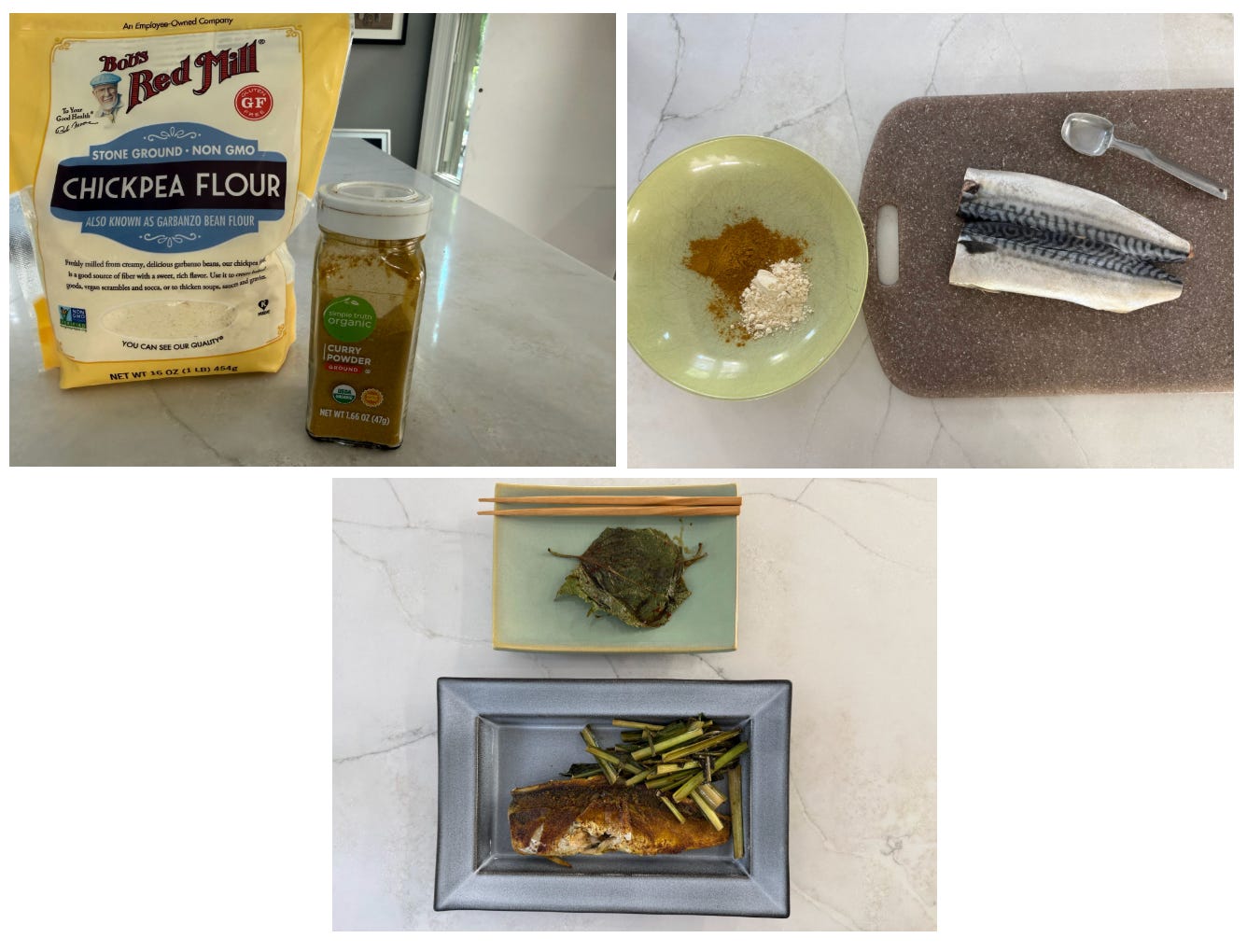
Ingredients
Fresh mackerel, 1 whole (or pre-cut and pre-cleaned)
Rice water if you’re starting with whole mackerel. This is the starchy water captured from rinsing white rice before cooking it. You’ll need enough to submerge the fish
Chickpea (besan) flour, 1 tablespoon
Curry powder, 1 tablespoon (alternatively use 1tsp garlic powder + 1 tsp cracked black pepper, pinch of sea salt)
Avocado oil
Fresh lemon, optional
Instructions
If you buy a whole fish, clean it and remove its innards. Soak the cleaned mackerel in rice water for 10 to 15 minutes to draw out excess fishy odor and surface blood. Rinse under cold water, pat dry with paper towels, and cut into halves. Or buy prepped halves, which is what I do — it takes minutes to prep.
Mix the chickpea flour and curry powder together.
Lightly dust the fish, patting off any excess. You want to see the flesh peeking through the spices, not buried in a thick paste.
Put the frying pan on medium-high heat with a tiny wipe of avocado oil.
Once hot, place the pieces in skin-side down first to get a spectacular, crispy crunch. Let it grill for 1 to 2 minutes, until the skin turns crispy.
Flip it over, reduce heat to low, and let gently cook through for 3 to 5 minutes without burning the spices.
Finish with fresh lemon and serve with hot basmati rice cooked with a tablespoon of wakame, alongside kimchi or seasoned perilla leaves.
Note:
Standard white flour creates a sticky, damp paste on fish that bogs down your system. Chickpea flour is naturally lekhana (scraping); it absorbs surface moisture beautifully, delivers a light crispiness, and keeps the meal entirely starch-fee and gluten-free. It tastes amazing.
Baechu doenjang guk (napa cabbage soybean paste soup)
This is an absolute masterpiece of minimalist, therapeutic cooking. Unlike its heavier cousin, doenjang jjigae (stew), a traditional guk (soup) is light, highly fluid, and designed to cleanse and comfort.
From a clearing perspective, it doesn’t get better than this. Napa cabbage becomes beautifully tender, sweet, and cooling, while the deeply fermented paste provides a rich, grounding umami that fuels your digestive fire without adding a single drop of heavy fat.
Prep time: 10 minutes. Cook time: 20 minutes. Servings: 2.
Ingredients
1/2 head Napa cabbage (approximately 1/2 pound), cut into 2-inch chunks
4 to 5 cups clean bone broth (or filtered water)
2 tablespoons doenjang (Korean fermented soybean paste)
1 teaspoon gochujang (Korean red chili paste, optional but highly recommended for a tiny spark of heat to slice through stagnation)
1 teaspoon garlic, minced
2 scallions, cut into 2-inch lengths
Optional depth: 4 to 5 fresh shiitake mushrooms, sliced
Optional: tamari or fish sauce
Instructions
Bring your bone broth to a gentle boil in a medium pot, then reduce heat to medium-low.
Place your doenjang and gochujang directly into a small fine-mesh strainer, lowering the bottom of the strainer into the warm broth. Use the back of a spoon to press and dissolve the paste directly through the mesh into the liquid. This ensures a perfectly smooth broth and catches any large, unground whole soybeans. Discard any leftover sediment in the strainer.
Add in your cabbage and shiitakes.
Cover and simmer gently on medium-low for 12 to 15 minutes until the white cabbage stems lose their opacity and become translucent and tender.
Uncover and stir in the minced garlic and scallions, and simmer for 3-5 more minutes to let the fresh aromatics infuse the soup without overcooking.
Taste the broth. If it needs more depth, stir in a tiny splash of tamari or fish sauce.
Ladle it piping hot into a deep bowl.
Savory oatmeal in bone broth
This is the fastest complete lunch in the rotation. It takes the concept of comfort food and makes it actively scraping and drying, which is exactly what you want at midday when your digestive fire is strong but your afternoon requires absolute clarity.
Ingredients
1/2 cup rolled oats (not instant)
1 cup clean chicken bone broth (I love the Bonafide brand)
1 large handful dark leafy greens (baby spinach or kale)
Sliced fresh garlic
Fresh black pepper and sea salt
Optional: 1 soft-boiled egg or 3 oz leftover flaked fish
Instructions
Bring the bone broth to a gentle boil in a small pot. Stir in the oats. Reduce heat to medium-low and simmer for 5 minutes, stirring occasionally.
Add the sliced garlic and greens. Cook for another 2 to 3 minutes until the greens have wilted completely. You want a loose, porridge-like consistency, not a dry, dense lump.
Remove from heat. Season with black pepper and sea salt.
Optional: top with your leftover fish or a halved soft-boiled egg.
Note:
Do not substitute water here. The clean chicken bone broth is what transforms this grain into a deeply sustaining, savory lunch. The collagen and minerals keep you full without the post-carb crash.
The pantry
To clear your midday decision fatigue once and for all, you need a resilient environment.
My Korean lineage informs this pantry setup, not as a sentimental preference, but because traditional East Asian ingredients are the ultimate toolkit for busy people.
They are deeply shelf-stable ingredients that act as therapeutic scraping (lekhana) agents to slice through metabolic sluggishness and clear your internal pathways without requiring you to track fragile, fresh grocery every single day.
We stock the non-perishables ‘once’ so that your weekly shopping decision shrinks to which fresh fish or greens look good?
Non-negotiable staples
Keep these stocked. On impossible days, you’ll make complete, nourishing meals out of them.
White basmati rice: the easiest grain for your system to break down; runs entirely clean without taxing your digestive fire.
Rolled oats: a fast-cooking, high-fiber option that absorbs savory broths beautifully to keep your energy steady.
Dried shiitake mushrooms: a shelf-stable ingredient that actively breaks down lipid accumulations and supports clear blood vessels.
Dried wakame: a mineral-rich sea vegetable that clears lymphatic stagnation and helps accelerate natural elimination.
Dried kombu: the ultimate metabolic catalyst; a deep-sea seaweed that breaks down heavy starches, ignites your digestive fire, and prevents bloating.
Bonito flakes: an instant, clean umami (savory) base that infuses stocks with amino acids to support tissue repair without adding heavy fat.
Split yellow mung beans: the ultimate Ayurvedic cleaning foundation; gently scrapes toxins from the intestinal walls while grounding the nervous system.
Canned white beans (cannellini or great northern): a fast, shelf-stable protein that sweeps the digestive tract clean when fresh options are unavailable.
Canned tuna & mackerel (in water): immediate, clean, anti-inflammatory fats that optimize brain health and protect your vascular system.
Miso paste: a live fermented paste that supports gut health and keeps your brain steady.
Doenjang (Korean fermented soybean paste): a dense, deeply grounding fermented paste that cuts through internal sluggishness and soothes scattered energy.
Nori sheets: a crisp, mineral-dense seaweed that provides thyroid support and cleanses low-grade debris from the digestive tract.
Extra virgin olive oil: a clean fat that reduces inflammation; best used for drizzling at the end, never for high-heat cooking.
Avocado oil or ghee: high-heat transporters that carry nutrients deep into body tissues without burning or oxidizing.
Sesame oil: a deeply warming, heavy oil used in teeny amounts to ground the nervous system and soothe internal dryness.
Chickpea flour: a drying, gluten-free coating agent that absorbs surface moisture and sweeps away internal congestion.
Tahini: a rich, bitter sesame paste that provides grounded stability to quick meals without triggering heaviness.
Bragg liquid aminos & tamari: clean, wheat-free liquid salinity that delivers immediate savory depth without the artificial additives of commercial sauces.
Gochugaru (Korean chili flakes): a sun-dried pepper flake that cuts through heavy mucus layers and internal sluggishness. Note: unlike sharp cayenne, raw jalapeños, or vinegary hot sauces, sun-dried gochugaru sparks circulation without overheating the liver or triggering acidity.
Gochujang (Korean chili paste): a functional spice complex that stimulates sluggish circulation and kindles digestive heat. Crucial note: avoid standard supermarket brands which are flooded with corn syrup. Look for clean brands like Mother-in-Law’s that stick to traditional, unadulterated ingredients.
Whole & powdered spices (cumin, coriander, fennel, black mustard, cardamom, curry powder): a natural toolkit that kindles your digestive fire, balances the qualities of your food, and prevents gas or fermentation in the gut.
Sea salt & black pepper: foundational minerals and flavor-enhancers that spark stomach acid production and clear out cellular stagnation.
Raw walnuts & whole almonds: concentrated brain fats used as minor, functional additions to anchor energy without creating heaviness. Use sparingly.
Raisins or currants: small, iron-rich dried fruits used in tiny amounts to sweep stagnation from the colon.
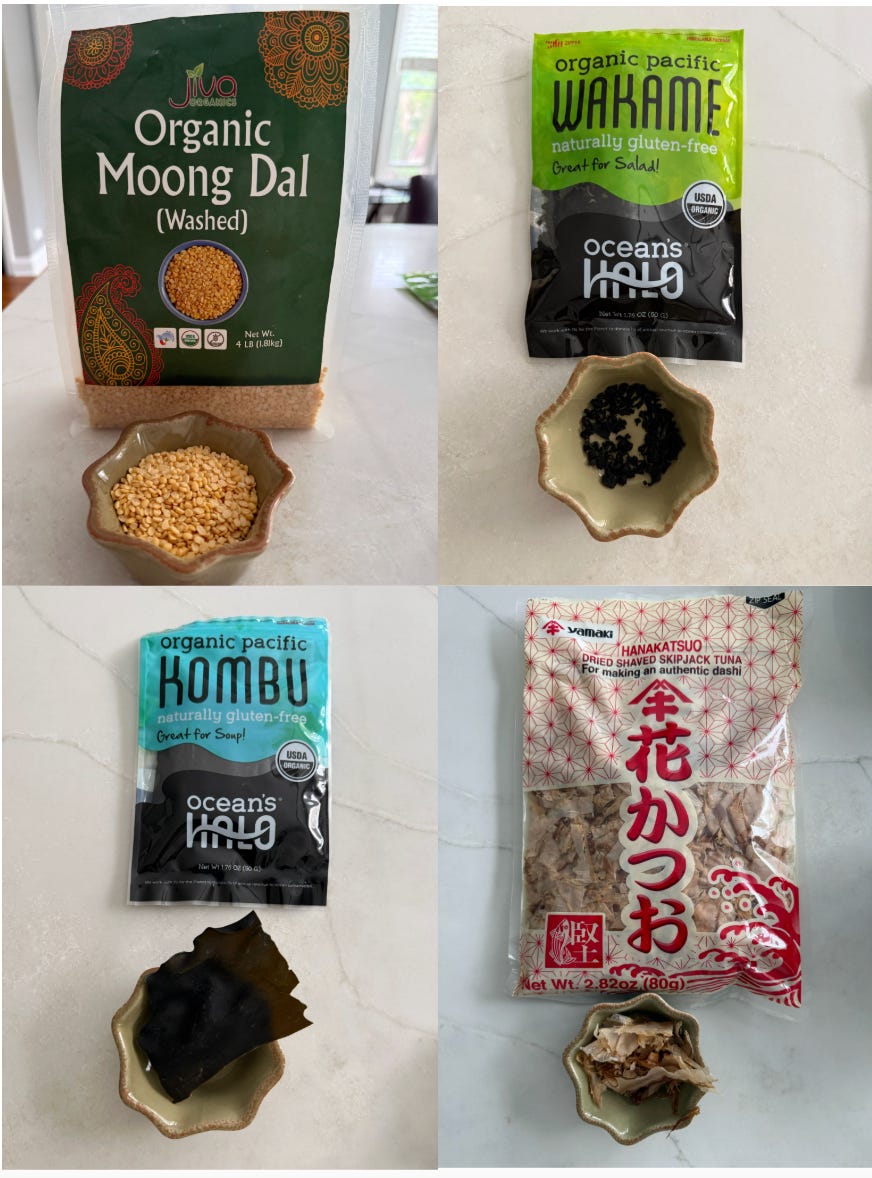
(more simple recipes to come using these ingredients)
The fresh rotation
Go with what looks fresh and matches your budget. Organic whenever possible. If time is your biggest concern, choose the pre-washed, pre-cut options. Be the hero in your work and relationships and come back to this when you have more bandwidth to reduce plastics use.
Dark leafy greens (kale, spinach, broccoli rabe, dandelion, arugula, etc): these are natural brooms for the body; raw nourishment that filters out toxins.
Fresh shiitakes, garlic, ginger, scallions, napa cabbage, celery, lemon: a powerful network of fresh aromatics that clear out congestion and brighten the palate.
Kimchi: a live, sour, and pungent kinetic engine that instantly dissolves slow-moving food mass and clears internal sluggishness. And, bonus, microplastics. Just make sure you’re getting the local, perishable kimchi.
Fresh fish & firm tofu: clean, lightweight proteins that build lean muscle tissue without generating metabolic sludge or heavy fats.
Functional Condiments
Pick up these low-intervention additions, if you like them, to create variety without reliance on bottles.
Pickles, sauerkraut, olives, capers, and fresh ginger slices. Note on Honey: it’s great for a touch of sweetness, but absolutely do not cook with it; when heated, honey becomes completely indigestible and turns into ama (metabolic waste).
What my week looks like
4:15am: wake up. I drink only hot water, sometimes with lemon, until 7:30 or 8.
7:30am: I heat up a warm liquid blend of Mud/Wtr plus ground flax seed to act as my morning broom. Mud/Wtr is a mushroom, cacao, chai blend. I switch back to sipping hot water afterward until lunchtime. (Note: if you decide to try this out and purchase through my link, I get a small something something for it).
11:15am (the Master Anchor): Lunch. Fish (fresh or canned) + fresh greens seasoned with garlic, salt, and pepper, and finished with a teeny drizzle of olive oil + sometimes basmati rice. Or kitchari with greens cooked directly in, seasoned with Bragg liquid aminos. Or beans or tofu with greens. Or savory oatmeal cooked in chicken bone broth with handfuls of baby spinach. On a sweeter afternoon, oatmeal with fresh berries, a small amount of chopped walnuts, and half a banana or a chopped date cooked through.
4:30-5pm: Dinner is served and wrapped up by 6pm (with the exception of going out with friends). The menu mirrors lunch, choosing the more quickly digestible options to leave the liver unburdened overnight.
My sister doesn’t need an intense cleanse. Nor does she need a hyper-restrictive protocol. She needs one repeatable lunch that she can make on autopilot, sit down to, and eat while it’s still warm. The point isn’t the mackerel. It’s that she stops outsourcing the decision.
One warm, on-time, seated lunch is the minimum viable act of self-referral. It rewires the nervous system. It rebuilds self-trust. It becomes the entry point to reclaiming an entire life.
The repeats are good. The repeats with variety, assuming the choices are aligned with your body, allow for maximum creativity where it counts and ample slack when you’re out with friends.
The body keeps a meticulous ledger. Every override is a withdrawal. Every anchor honored is a deposit. It doesn’t moralize, it just tallies. And at some point, it sends the invoice, or the receipt.
Eat warm, breathe slow, keep a rhythm.
— Savitree
Thanks for this info and the recipes. I'm good with making space for lunch and having a warm meal, but would like to make adjustments to what I'm eating for lunch so I appreciate the suggestions.