


You’ve done the research. You know what to do.
And then you face the family.
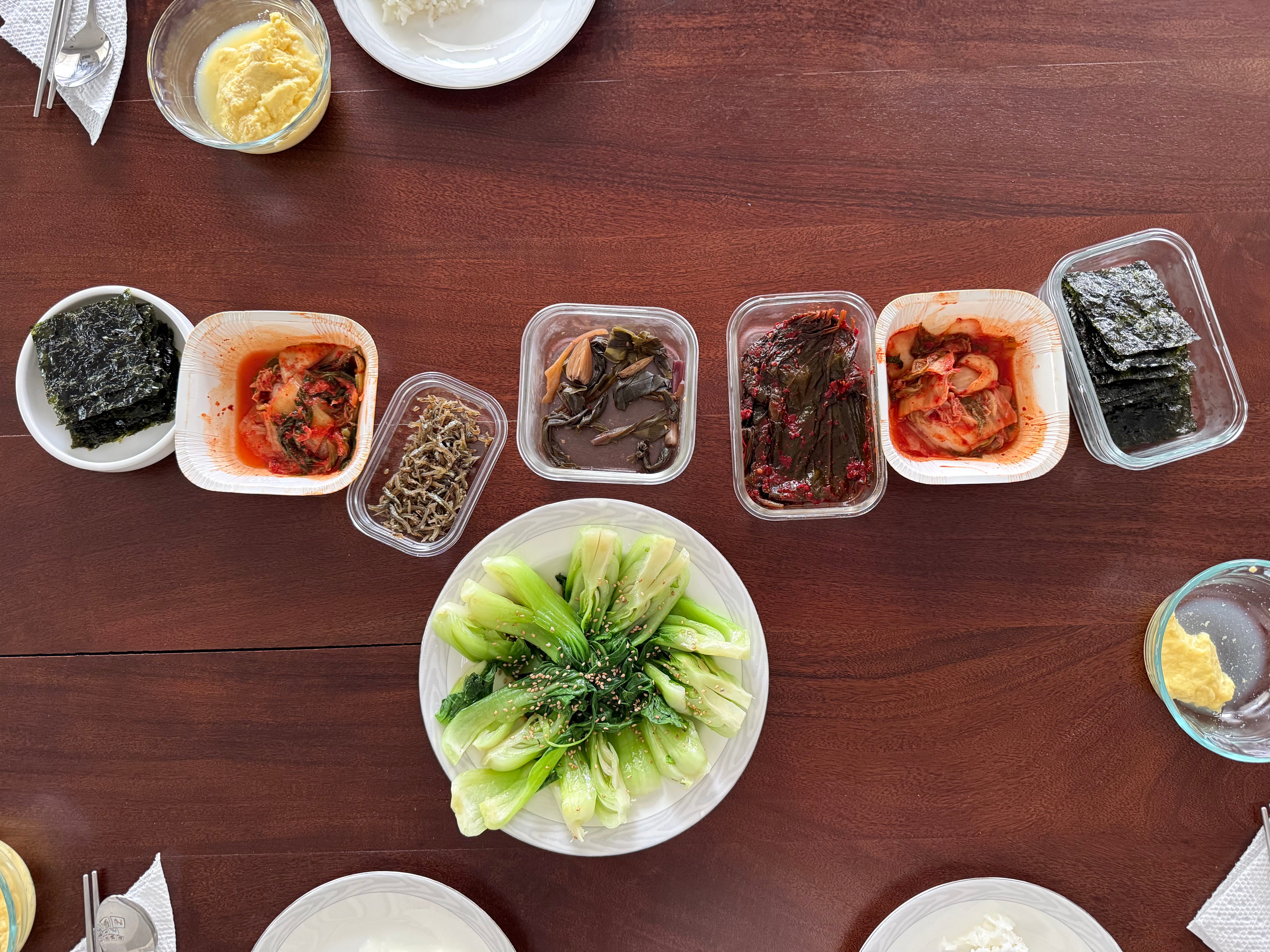
The kids don’t want the bitter greens.
And you barely want to cook for yourself let alone a different plate for everyone else.
Or, your partner makes the meals, and he’s focusing on heart-healthy foods for you, to be ready at 7:30pm…
when you’re trying to eat scouring foods three hours earlier.
In either of these cases, the negotiation isn’t with your discipline.
It’s with their feelings.
And, your desire to keep the peace.
Food isn’t just something we consume to stay alive.
What, how, and when we eat defines who we are, and we’re attached to our identity.
When one person in the friend or family solar system makes a change, it holds up this very mirror.
Ever tried skipping that glass of wine at a social gathering?
It will make someone uncomfortable. And that makes you uncomfortable.
So you get something that looks like alcohol, or you cradle a glass of the real thing.
For appearances.
Because you don’t want the questions.
The same happens at dinner: Why aren’t you having this?
It’s not just about the food. It’s about the joint vibe.
So feelings bubble up when you break it.
And how we work through them determines follow-through.
They seem to get it. But then “amnesia.”
When you decide to change your diet for health reasons, people do get it.
Intellectually.
And they’re completely supportive about it. Until dinnertime — when the change feels like an affront to the way of life.
If you’re the person who had to explain the change in order to get your health back on track, this can feel like amnesia by the people you’re counting on to support your change.
Questions ensue. Why this? Why not that?
They’ll offer up alternative options that feel more convenient to their vibe.
It can be frustrating. And you don’t want to keep repeating yourself.
Truth?
It’s not amnesia.
It’s more a subconscious protest against the change in the relationship’s gravity.
This isn’t a fault. It’s all simply human.
Change is hard, and it’s met with resistance.
Here’s what solved it —